
September marks the beginning of spring in Australia.
As the weather starts to warm up, many Queenslanders spend more time outdoors, whether it is enjoying the beach, going for a walk, playing sport or simply spending more time in the sun.
Spring is also a useful reminder to pay attention to your skin.
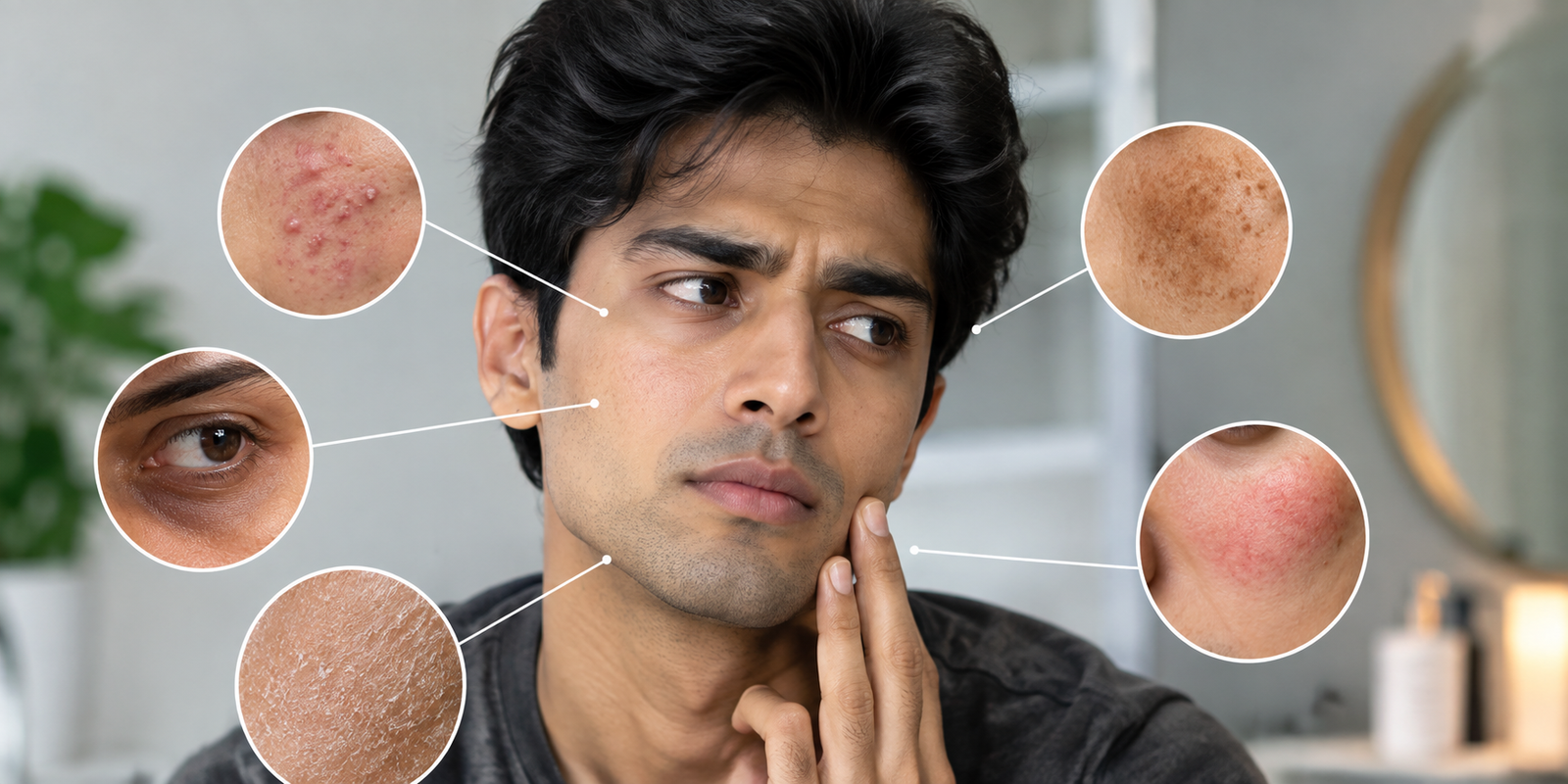
A new spot, changing mole, persistent rough patch or unusual mark may have many possible causes. While not every skin change is a sign of skin cancer, noticing changes early and discussing anything concerning with a medical practitioner can be an important part of looking after your skin.
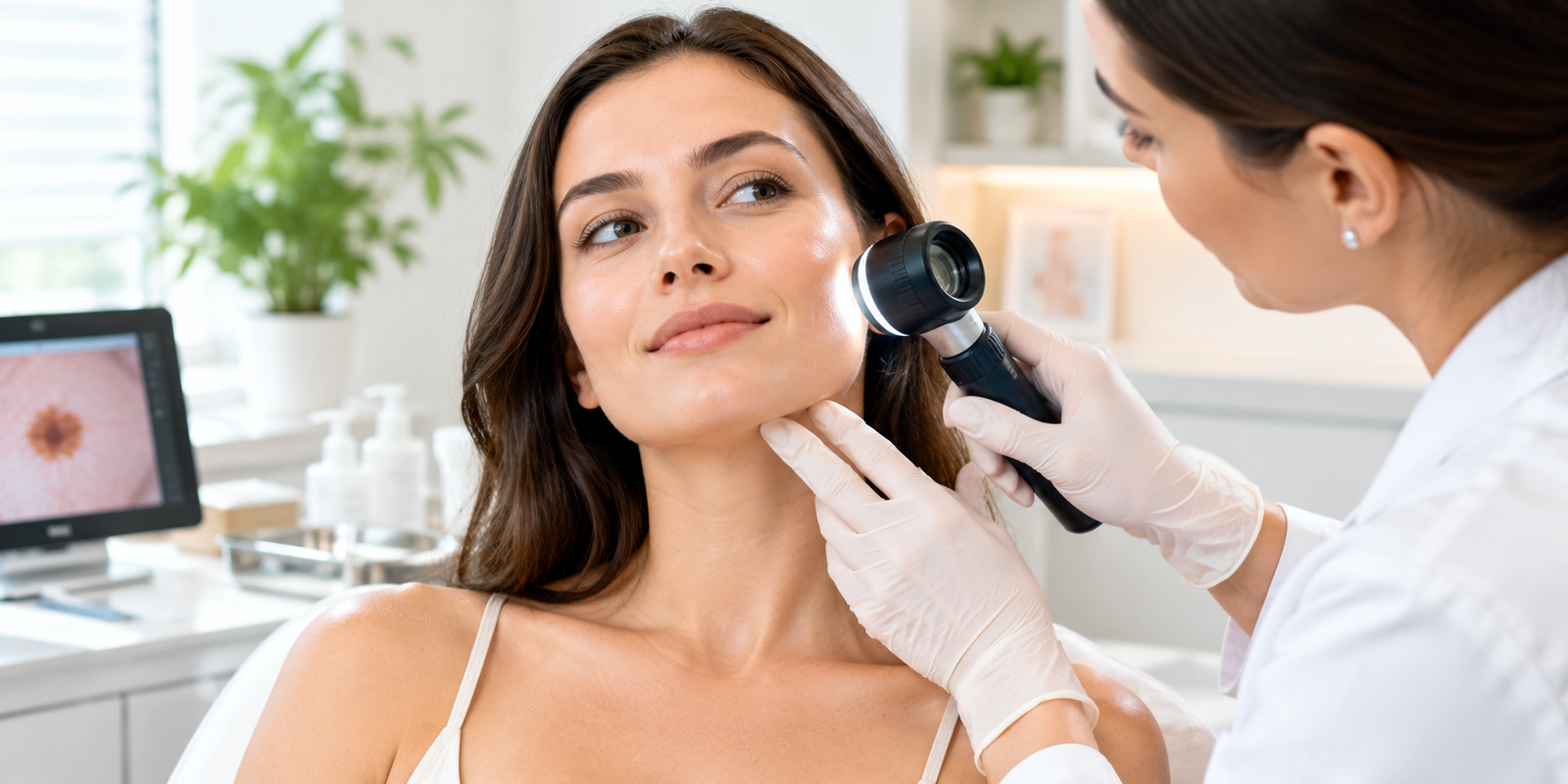
At AuzSkin, skin checks include clinical assessment and may involve dermoscopy, digital imaging and other appropriate assessment methods depending on your individual circumstances.
Why Is Spring a Good Time to Check Your Skin?
Your skin changes throughout the year.
After months of sun exposure, it can be useful to take some time to look for any new or changing spots before the warmer months bring increased outdoor activity.
A skin check can also be an opportunity to discuss your individual skin cancer risk and sun-protection habits with a medical practitioner.
There is no single skin-check schedule that is right for everyone.
Your doctor can help determine an appropriate approach based on your individual circumstances and risk factors.
What Should You Look For?
When checking your skin, look for anything that appears new, unusual or different from the rest of your skin.
This can include:
- A new mole
- A mole that has changed
- A new pigmented spot
- A persistent rough or scaly area
- A sore that does not heal
- A lesion that repeatedly bleeds or crusts
- A spot that looks noticeably different from your other spots
- A lesion that continues to change
These signs do not necessarily mean that you have skin cancer.
However, they can be reasons to seek professional medical advice.
What Does a Changing Mole Mean?
A mole can change for different reasons, and not every change indicates skin cancer.
However, a mole that changes in:
- Size
- Shape
- Colour
- Border
- Appearance
may require assessment.
Changes over time can be particularly important to discuss with a medical practitioner.
Rather than trying to determine whether a mole is dangerous yourself, a professional skin assessment can provide a more appropriate evaluation.
What About Rough or Scaly Skin?
Not every rough patch is skin cancer.
Dry skin, irritation and other skin conditions can cause similar symptoms.
However, persistent rough or scaly areas, particularly on sun-exposed parts of the body, should not simply be ignored.
Solar keratoses, also known as actinic keratoses, are examples of sun-related skin changes that can appear as rough or scaly patches.
A medical practitioner can assess the area and determine whether further investigation or treatment is appropriate.
What Is a Skin Check?
A skin check is a medical assessment of your skin performed by an appropriately qualified practitioner.
Depending on your individual circumstances, your appointment may involve:
Medical History
Your doctor may discuss your skin history, sun exposure, previous skin cancers and other relevant risk factors.
Visual Examination
Your skin may be examined for new, unusual or changing lesions.
Dermoscopy
A dermatoscope can provide a closer view of structures within individual skin lesions that may not be visible to the naked eye.
Digital Imaging
Digital photography or mole mapping may be recommended for selected patients where monitoring over time is appropriate.
Further Investigation
If a lesion requires further assessment, your doctor may recommend monitoring, a biopsy or another appropriate management option.
Who Should Consider a Skin Check?
Skin cancer can affect anyone, but some people may have a higher risk.
You may wish to discuss your skin with a medical practitioner if you have:
- A personal history of skin cancer
- A family history of melanoma
- Numerous moles
- Significant sun exposure
- A history of frequent sunburn
- Regular outdoor work or activities
- A new or changing skin lesion
- A spot that concerns you
Your individual risk factors should be considered when deciding how frequently you need a skin assessment.
What Is Mole Mapping?
Mole mapping involves taking images of selected areas or lesions of the skin to help monitor them over time.
It can be particularly useful for people who have multiple moles or lesions that require ongoing monitoring.
Digital images can provide a baseline that may allow your doctor to compare changes during future assessments.
Mole mapping does not replace a medical assessment.
Your doctor will determine whether monitoring is appropriate and whether a lesion requires further investigation.
Why Is Sun Protection Important in Spring?
Spring often means more time outdoors.
As outdoor activity increases, so can your exposure to ultraviolet radiation.
UV exposure can occur even when the weather does not feel particularly hot.
Queensland has a high burden of skin cancer, making sun protection an important part of everyday life.
The Queensland Government recommends five forms of sun protection when the UV Index is 3 or above:
- Slip on protective clothing
- Slop on SPF50+ sunscreen
- Slap on a hat
- Seek shade
- Slide on sunglasses
Should You Wear Sunscreen Every Day?
Sun protection should be considered as part of your everyday routine when UV exposure is a concern.
Sunscreen is one component of sun protection and works best when combined with other protective measures such as clothing, shade, hats and sunglasses.
When selecting sunscreen, follow the product directions and apply it appropriately.
Remember that sunscreen does not provide complete protection from UV radiation.
Is Spring the Right Time for a Skin Check?
There is no specific month when everyone needs a skin check.
However, September can serve as a useful annual reminder to pay attention to your skin and review your sun-protection habits.
For people who already have an established skin-check schedule, continuing with the recommended appointments is important.
If you have noticed a new or changing lesion, you should not wait for a particular season before seeking medical advice.
What Happens If Your Doctor Finds Something Concerning?
Finding a suspicious lesion does not automatically mean that it is skin cancer.
Your doctor may recommend different next steps depending on the appearance and clinical findings.
These may include:
- Monitoring
- Dermoscopic assessment
- Digital monitoring
- Biopsy
- Non-surgical treatment
- Surgical excision
- Referral where appropriate
A biopsy may be recommended when tissue needs to be examined to help establish a diagnosis.
If skin cancer is diagnosed, your doctor can discuss the appropriate treatment options with you.
What Skin Cancer Treatments Are Available?
Treatment depends on the type of lesion, its location, size and other individual factors.
Depending on the diagnosis, treatment may include:
- Cryotherapy
- Prescription topical treatment
- Photodynamic therapy
- Surgical excision
- Other appropriate medical management
Not every treatment is suitable for every lesion.
The appropriate option should be determined following medical assessment and, where required, pathological diagnosis.
What Skin Cancer Treatments Are Available?
Treatment depends on the type of lesion, its location, size and other individual factors.
Depending on the diagnosis, treatment may include:
- Cryotherapy
- Prescription topical treatment
- Photodynamic therapy
- Surgical excision
- Other appropriate medical management
Not every treatment is suitable for every lesion.
The appropriate option should be determined following medical assessment and, where required, pathological diagnosis.
Don't Forget Areas You Cannot Easily See
When checking your skin, it can be easy to focus only on your face, arms and legs.
However, skin changes can occur in areas that are more difficult to examine yourself.
Ask someone you trust to help check areas such as:
- Your scalp
- Back
- Shoulders
- Behind your ears
If you notice something unusual, discuss it with your doctor.
What About Previous Sun Damage?
Previous sun exposure cannot be undone.
However, protecting your skin from further UV exposure can help reduce ongoing exposure.
If you have experienced significant sun exposure throughout your life, particularly if you have had repeated sunburn or spend a lot of time outdoors, speak with a medical practitioner about your individual skin cancer risk.
A skin check can also provide an opportunity to discuss appropriate monitoring and prevention strategies.
A Simple Spring Skin Check Reminder
As September begins, consider making skin awareness part of your spring routine.
CHECK
Look for new, unusual or changing spots.
PROTECT
Use appropriate sun protection when UV exposure is present.
MONITOR
Keep track of moles or lesions that your doctor has recommended monitoring.
CONSULT
Seek medical advice if you notice a concerning change.
Skin Checks at AuzSkin
AuzSkin provides skin cancer assessment, monitoring and treatment services across Queensland.
Depending on your individual needs, services may include:
- Skin checks
- Mole checks
- Dermoscopy
- Digital mole mapping
- AI-assisted imaging
- Skin biopsies
- Non-surgical skin cancer management
- Surgical excision
The most appropriate approach will depend on your individual circumstances and your doctor’s assessment.
When Should You See a Doctor About a Skin Spot?
Do not wait for a skin spot to become painful before seeking advice.
Consider speaking with a medical practitioner if you notice:
- A new mole
- A changing mole
- An unusual spot
- A persistent rough patch
- A sore that does not heal
- Repeated bleeding or crusting
- A lesion that looks different from your other spots
If something about your skin concerns you, professional assessment can help determine what should happen next.
Make Skin Awareness Part of Your Spring Routine
September can be a useful reminder to take a closer look at your skin and review your sun-protection habits.
Regular self-awareness, appropriate sun protection and professional medical assessment when needed can all form part of looking after your skin.
If you have noticed a new or changing lesion, or would like to discuss your individual skin cancer risk, AuzSkin can provide a professional skin assessment.